
Is there snow in the Catalan Pyrenees today?
How much snow is on the ground at Meteocat's mountain weather stations, read daily from open data, with the time of every reading.
On this page (5)
Whether there is snow in the Catalan Pyrenees today is in the summary below: the depth of snow on the ground that Meteocat, Catalonia's weather service, measures at its mountain weather stations from the Val d'Aran to the Ripollès, read from the Generalitat's open data. Every row shows when its reading was taken.
Meteocat has not published a validated snow-depth reading from the last 48 hours.
Check them directly on Meteocat's website: meteo.cat.
What the snow depth figure means
It is the snow lying on the ground where the weather station stands, in centimetres, measured automatically every half hour. It is not a forecast and not a ski resort's report: it is what was on the ground at the time of the reading.
Altitude changes everything. The same valley can have snow at 2,200 metres and none at 1,000, so the table groups the stations by area and lists each area from the highest station down.
Only readings Meteocat has validated are shown. The open data flags every reading as validated or not, and those not yet checked can show a few centimetres where there is no snow. Validated readings come in later, a day or more behind: that is why each station shows the time of its reading, and a station with no validated reading from the last 48 hours appears without a figure.
Why it differs from the ski resorts' snow report
Ski resorts publish their own snow report: depth on the pistes, open runs and lifts running. Pistes are groomed and many are covered with machine-made snow: La Molina, for example, lists 43 km of runs with snowmaking (60% of its skiable area) and 602 snow cannons on its technical sheet. A weather station measures natural snow at a single point, often far from any piste.
If you are going skiing, the resort's report is the one that counts: FGC's six resorts (La Molina, Vall de Núria, Vallter, Espot, Port Ainé and Boí Taüll) post theirs on PIRINEU365 Infoneu, and Baqueira Beret on the 'Estado de la estación' page of its website. For the others, and to compare prices and access, see our guide to Catalonia's ski resorts.
Avalanche danger: where to check
Snow depth says nothing about how stable the snowpack is. That is what the Avalanche Danger Bulletin of the Cartographic and Geological Institute of Catalonia (ICGC) is for. It is produced with Meteocat's collaboration, applies off-piste and in uncontrolled areas, and uses a five-level danger scale.
It is not published out of season. According to the ICGC's notice of 26 May 2026, the daily service resumes on 1 December 2026, or earlier if snow conditions require it.
Before you set off
- roads: the Servei Català de Trànsit lists incidents, including weather and mountain passes, on its traffic status page;
- emergencies: call 112. Catalonia's 112 service says most areas with no mobile coverage at all are high mountain or remote rural areas, and it marks points that do have coverage on the hiking routes through them.
Snow without skiing, Núria and Cerdanya
To see snow without skiing, see where to see snow in Catalonia without skiing, with snowshoe routes and sledging. Without a car, see Vall de Núria by rack railway and Cerdanya without a car.
- Is there snow in the Pyrenees right now?
- The summary at the top of the page says so, worked out from Meteocat's validated readings: how many stations have snow on the ground, where it is deepest and when the reading was taken. If there is none anywhere, it says that too.
- How much snow is there on the ski slopes?
- Each ski resort publishes it in its own snow report: the FGC resorts on Infoneu, at pirineu365.cat, and Baqueira Beret on the 'Estado de la estación' page of its website. It is a different figure from this table, which measures natural snow at weather stations.
- Why does Meteocat's website show a different depth?
- Each station's page on Meteocat's website shows the automatic readings as they arrive, before they are validated. This page shows only the readings Meteocat has already validated, which come in later.
- Where can I check avalanche danger in the Catalan Pyrenees?
- In the ICGC's Avalanche Danger Bulletin, which applies off-piste and in uncontrolled areas. According to the ICGC, it will be published daily again from 1 December 2026, or earlier if snow conditions require it.
- How often is this page updated?
- Every day. It re-reads Meteocat's open data, and every station shows the time of its reading; a station with no validated reading from the last 48 hours is listed without a figure.
Data on this page last verified: 25 October 2026.
Keep reading
Sources
This page cites official and primary sources. If you spot an error, let us know.
- Dades meteorològiques de la XEMA (gruix de neu a terra) — Servei Meteorològic de Catalunya (Meteocat)
- Metadades estacions meteorològiques automàtiques — Servei Meteorològic de Catalunya (Meteocat)
- Metadades variables meteorològiques — Servei Meteorològic de Catalunya (Meteocat)
- Dades d'estacions meteorològiques automàtiques de Catalunya — Servei Meteorològic de Catalunya (Meteocat)
- Butlletí de Perill d'Allaus (BPA) — Institut Cartogràfic i Geològic de Catalunya
- Informació nivològica — Institut Cartogràfic i Geològic de Catalunya
- Infoneu PIRINEU365 — FGC (PIRINEU365)
- Baqueira Beret — estado de la estación — Baqueira Beret
- La Molina — technical sheet — FGC
- Estat del trànsit — Servei Català de Trànsit
- Cobertura del 112 — 112 Catalunya
Was this page useful?
Related content
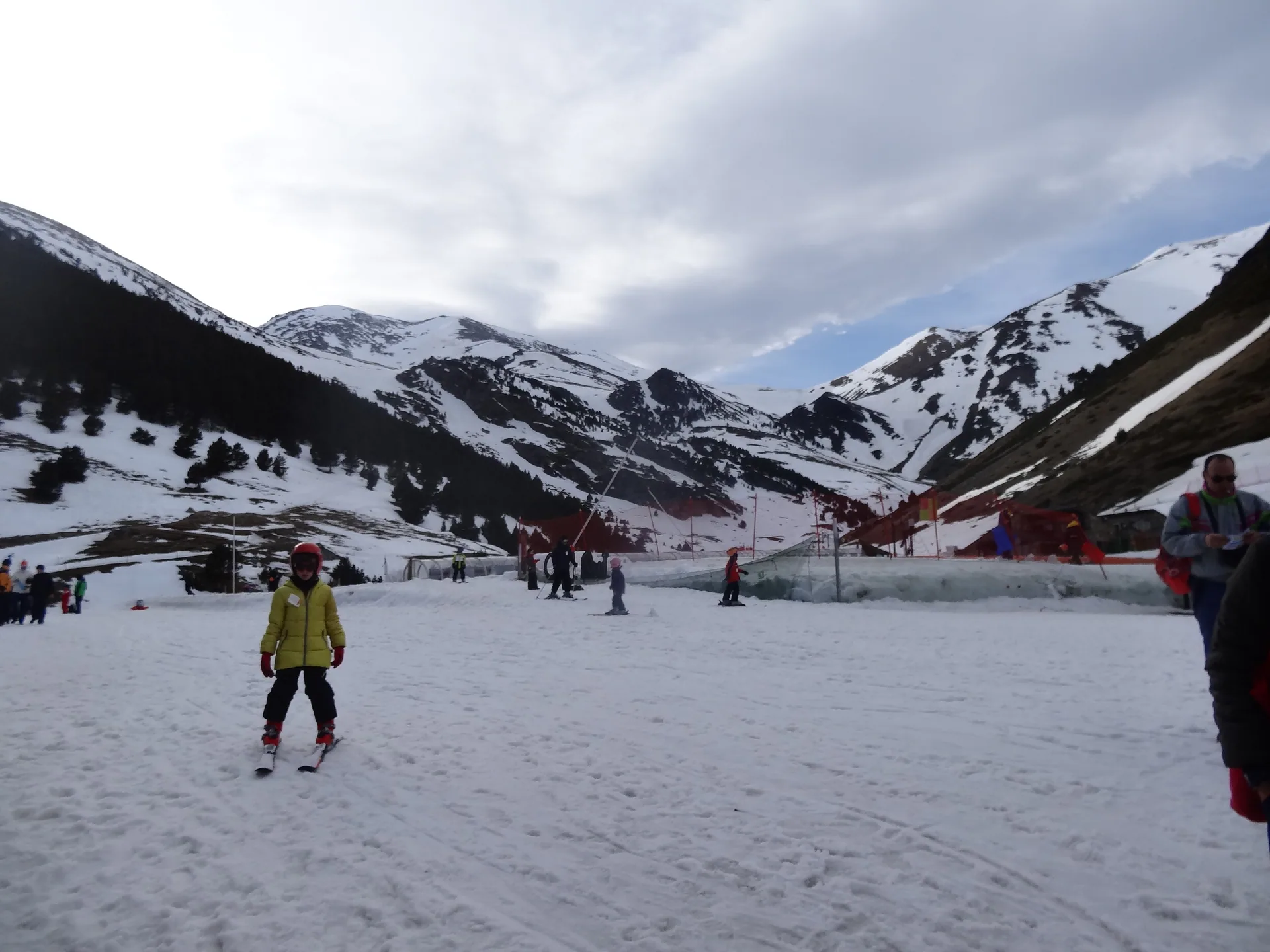
Where to see snow in Catalonia without skiing: snowshoe routes and Pyrenees trips
Snowshoe routes, sledging and gondola rides at the FGC and Tot Nòrdic stations, and which you can reach without a car.
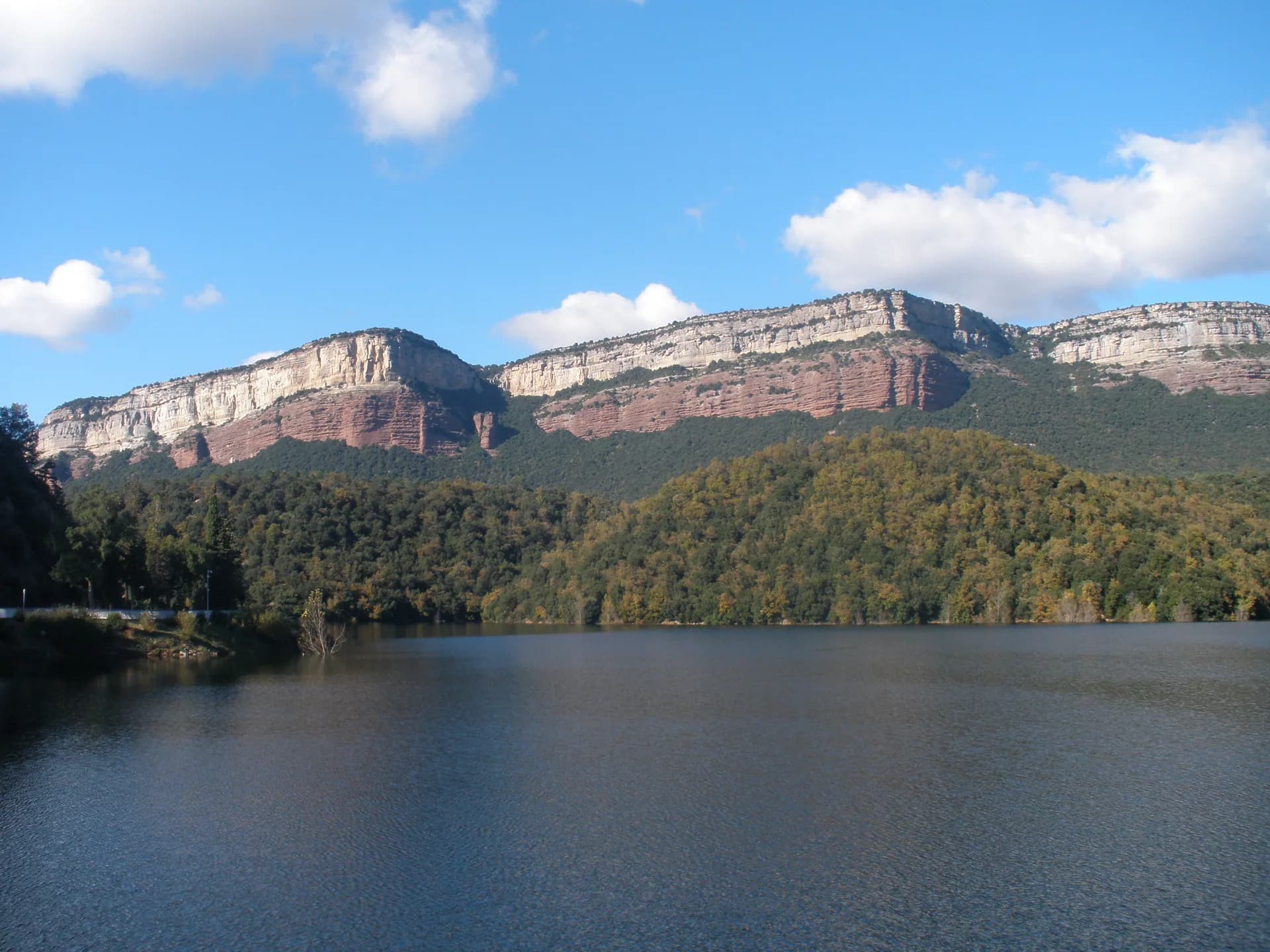
Catalonia reservoir levels today: how full they are
How full each reservoir the Catalan water agency monitors is, read daily from its open data, and what it means for the Barcelona area.
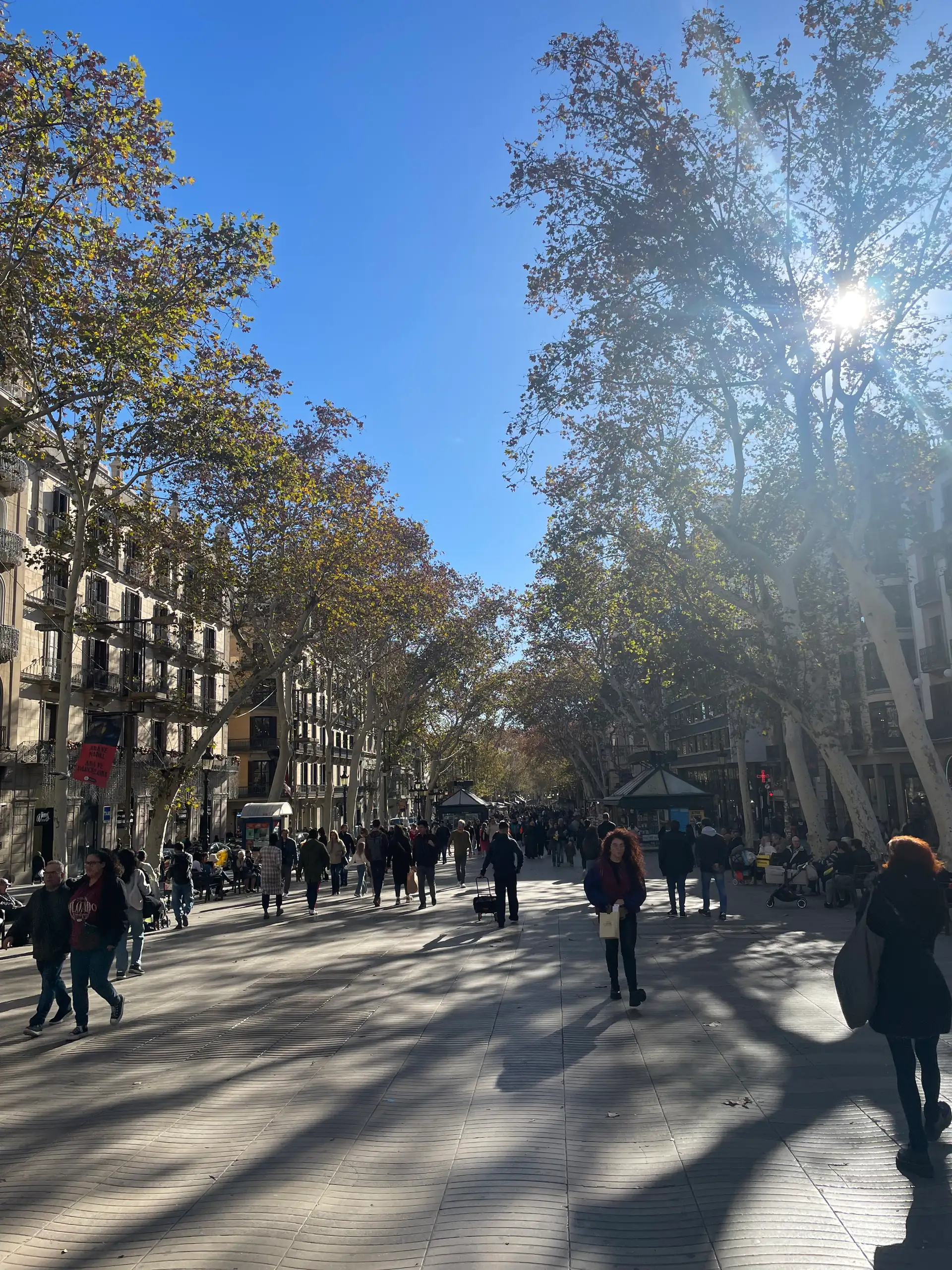
Barcelona weather by month: temperatures, rain and sunshine
What the weather is like in Barcelona each month, from AEMET's official averages and Meteocat's figures for the city centre.
Ski resorts in Catalonia 2026-2027: opening dates, lift pass prices and open runs
Baqueira, La Molina, Masella, Boí Taüll and the rest in one table: kilometres, 2026-27 day pass, opening and car-free access.