
Rainy day in Barcelona or Catalonia? What to do indoors
Museums, mines, monasteries, wineries and thermal towns: twenty wet-weather plans, each marked for how much is genuinely indoors.
On this page (8)
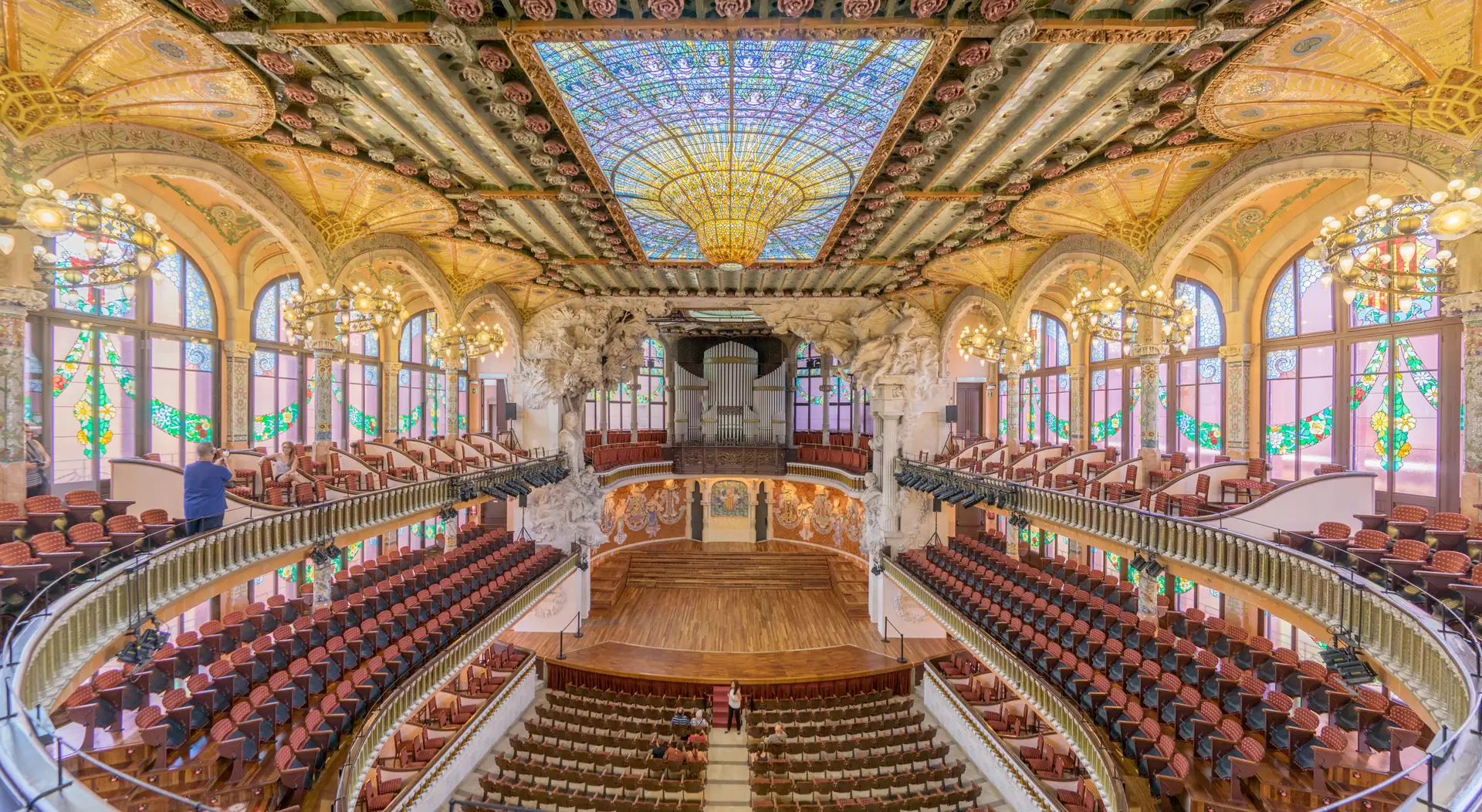
On a rainy day in Barcelona, pick plans that are fully indoors: the Aquarium, the Sagrada Família, Casa Batlló, the Palau de la Música, the covered markets and the museums, a dozen of which are free on Sunday afternoons (prices and hours below). Beyond the city, some of Catalonia's best museums, monasteries, mines, wineries and heritage sites work particularly well precisely when the weather rules out the beach or the mountains.
What to do in Barcelona when it rains
In the city itself, these plans stay fully under cover. Prices and hours were checked on each venue's own site on 24 October 2026:
- L'Aquàrium (Port Vell): €30, ages 5 to 10 €23, under-3s free; open every day, 10:00–20:00 at weekends and, on weekdays, 10:00–19:00 from 2 November to 20 December (10:00–20:00 on the 7 and 8 December holidays); from 21 December to 4 January, 10:00–20:00 every day except 24 and 31 December, when it closes at 19:00. The ticket office closes an hour before closing time (hours checked on 30 October 2026). More in our Zoo and Aquarium guide.
- Sagrada Família: €26 with the audio-guide app, timed tickets in the visitor's name; from November to February it opens Monday to Saturday 9:00–18:00 and Sunday 10:30–18:00 (Gaudí ticket guide).
- Casa Batlló: from €29 depending on the date; the general visit admits every day from 9:00 to 19:45.
- Palau de la Música Catalana: guided tour €24 (under 10s free with an adult), about 50 minutes, between 9:00 and 15:30; €2 more at the box office.
- Museums free on Sunday afternoons: about a dozen venues, among them the Museu Marítim, the Museu d'Història de Barcelona, the Museu del Disseny and the Museu Blau, are free every Sunday from 15:00 (free museums guide).
- Camp Nou museum: the Barça Immersive Tour costs from €28 and opens 10:00–18:00 from 19 October to 19 March (Camp Nou guide).
- Covered markets: La Boqueria and Sant Antoni open Monday to Saturday 8:00–20:30 and close on Sundays (market hours).
Park Güell, the Montjuïc gardens and the beaches are open-air: leave them for a dry day. October is Barcelona's wettest month (91 mm on average at the airport, according to AEMET) and July the driest: see Barcelona weather by month.
The useful distinction is not museum or not, but how much of the visit is genuinely under cover. A monastery with a magnificent cloister is not a rainy-day plan in the same way a museum is, so every entry below says which.
A practical note on distances: Terrassa, Mataró, Vilafranca and the Penedès wineries are comfortable day trips from Barcelona. Lleida, Tarragona, Figueres, Reus, Olot and Cardona make more sense if you are already travelling in that part of the country.
| Plan | Town | Type | Indoor? | Booking? |
|---|---|---|---|---|
| MNACTEC | Terrassa | Museum | Indoor | Not needed |
| Teatre-Museu Dalí | Figueres | Museum | Indoor | Advised |
| Museu d'Art Medieval | Vic | Museum | Indoor | Not needed |
| Museu del Cinema | Girona | Museum | Indoor | Not needed |
| VINSEUM | Vilafranca del Penedès | Museum | Indoor | Not needed |
| Gaudí Centre | Reus | Museum | Indoor | Not needed |
| Casa Navàs | Reus | Heritage | Indoor | Advised |
| Muntanya de Sal | Cardona | Cave or mine | Mostly indoor | Advised |
| Coves de l'Espluga de Francolí | L'Espluga de Francolí | Cave or mine | Mostly indoor | Advised |
| Coves Meravelles | Benifallet | Cave or mine | Mostly indoor | Advised |
| Monestir de Poblet | Vimbodí i Poblet | Heritage | Mixed | Not needed |
| Monestir de Santes Creus | Aiguamúrcia | Heritage | Mixed | Not needed |
| Museu de Lleida | Lleida | Museum | Indoor | Not needed |
| Museu Nacional Arqueològic | Tarragona | Museum | Indoor | Not needed |
| Espai Cràter | Olot | Museum | Indoor | Not needed |
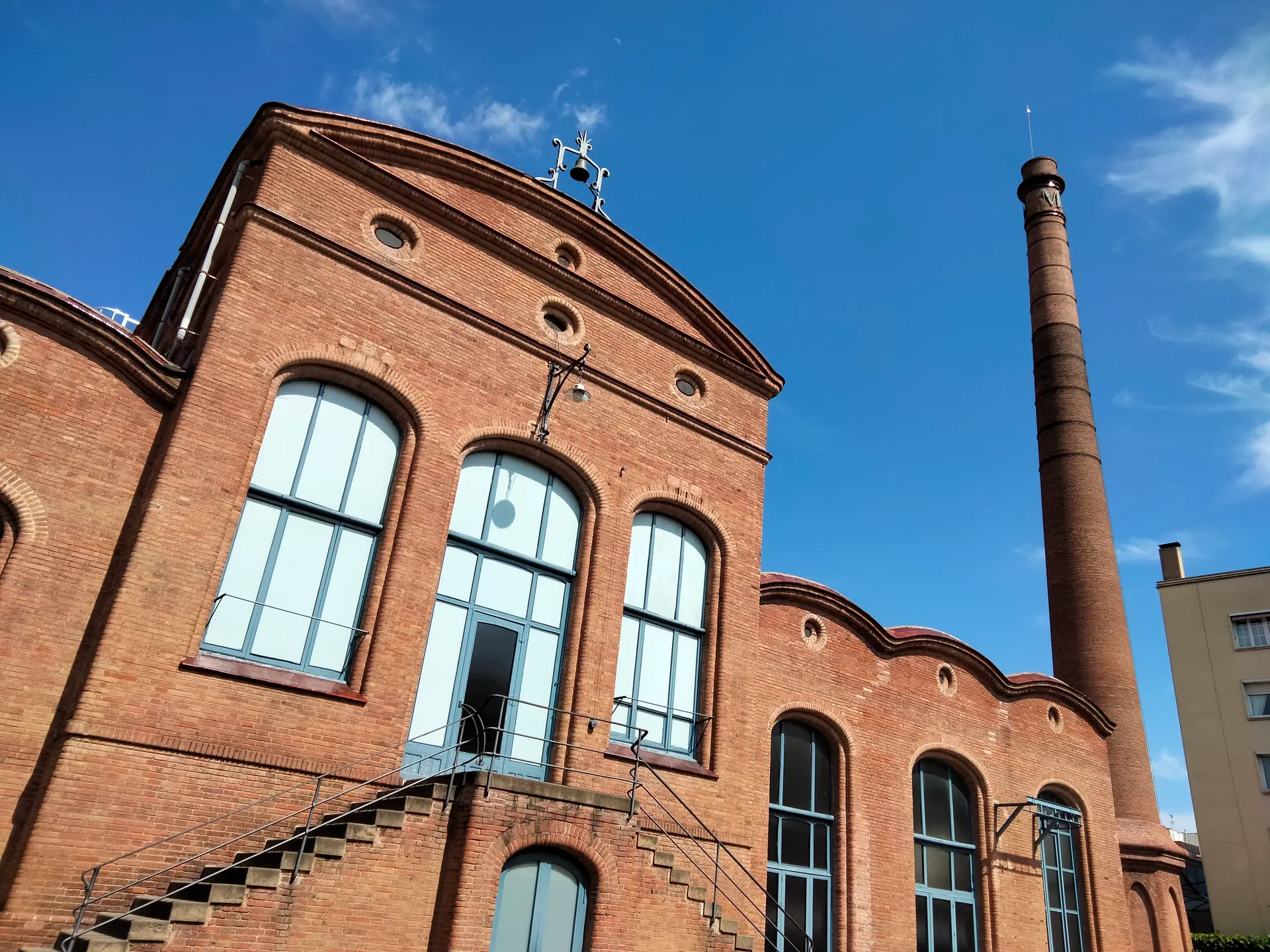
| Nau Gaudí | Mataró | Heritage | Indoor | Not needed |
| Palau de la Música Catalana | Barcelona | Heritage | Indoor | Yes |
| Recinte Modernista de Sant Pau | Barcelona | Heritage | Mixed | Advised |
| Celler del Penedès | Penedès | Winery | Mostly indoor | Yes |
| Patrimoni termal | Caldes de Montbui / La Garriga | Thermal | Mixed | Advised |
'Mixed' means part of the visit is outdoors. Hours and conditions change: check each site's official page on the day.
Museums that hold a whole day
MNACTEC in Terrassa occupies a modernist factory and explains Catalan industrialisation with the machinery in front of you. Rare in that the building and the content say the same thing.
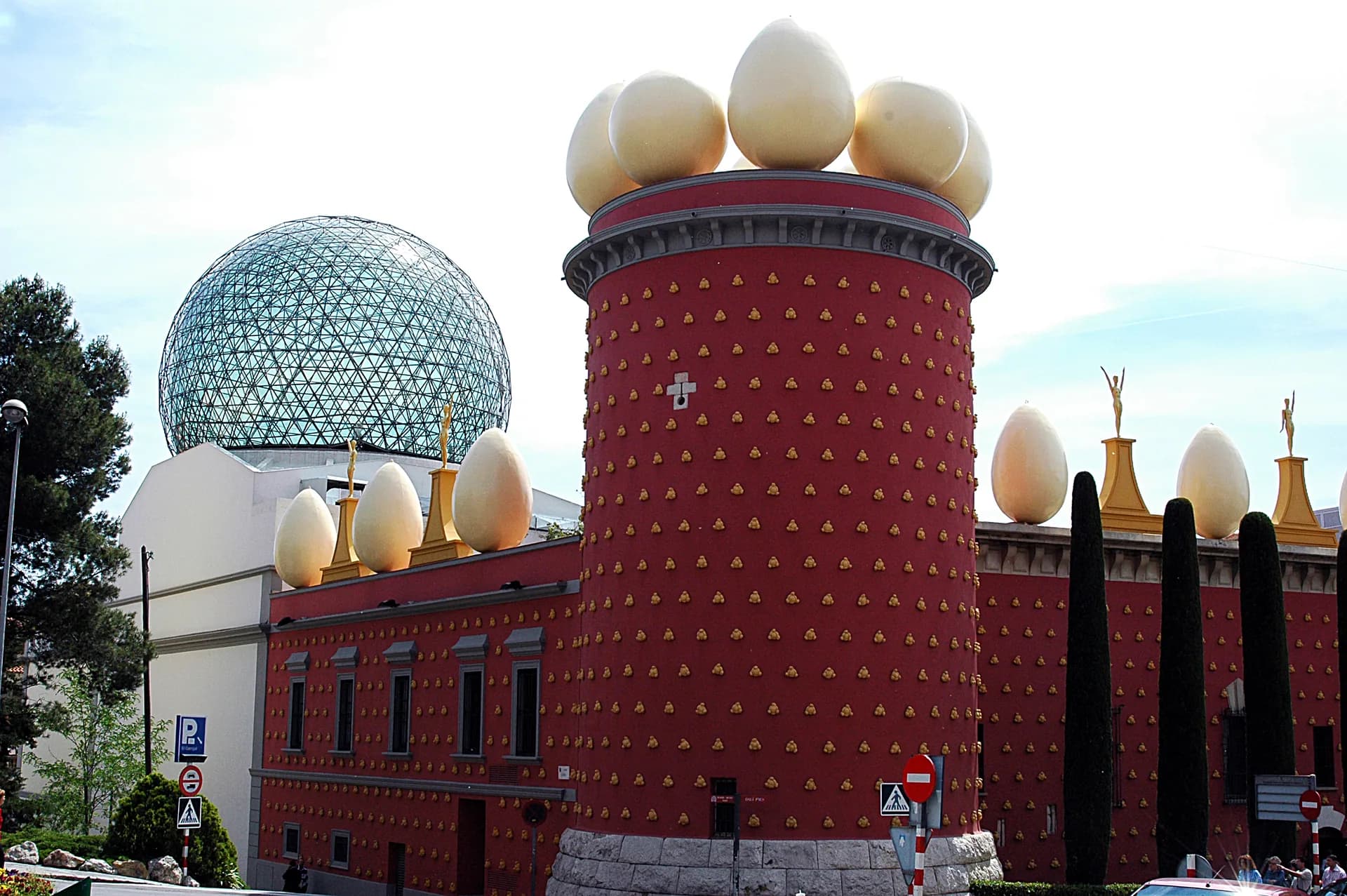
The Dalí Theatre-Museum in Figueres is a complete experience and needs no good weather at all. Book ahead.
Girona's Cinema Museum, Vic's Museum of Medieval Art, the Museu de Lleida and Tarragona's National Archaeological Museum cover four very different chapters of the country's history, each comfortable in half a day.
Espai Cràter in Olot explains the volcanism of the Garrotxa — which is exactly what you cannot go walking through in the rain.
Modernisme under cover
The Palau de la Música Catalana is visited by timed ticket and is one of the most intense architectural experiences in Barcelona.
The Sant Pau modernist complex has pavilions you can go inside, though moving between them is open-air — factor that in if it is really coming down.
In Reus, Casa Navàs is an exceptionally preserved modernist interior and the Gaudí Centre explains the architect in his home city. In Mataró, the Nau Gaudí — covered in our lesser-known Gaudí guide.
Underground: mines and caves
Cardona's Salt Mountain is the most spectacular wet-weather plan in the country: a salt mine beneath a medieval castle.
The Espluga de Francolí caves and the Benifallet caves complete the underground option.
A caution about caves
Caves are the exception on this list. Do not go when heavy-rain warnings are in force: visits are suspended and access can be dangerous. Check the site's own page and the Meteocat warnings on the day.
Monasteries: magnificent, not fully covered
Poblet and Santes Creus visit perfectly well in poor weather, but include open cloisters and outdoor stretches. These are drizzle plans, not storm plans.
Drinking and warming up
A Penedès winery visit is close to the perfect rainy-day plan: indoors, booked in advance, and something warming at the end.
If you go, arriving by train solves the obvious problem.
The thermal heritage of Caldes de Montbui and La Garriga is the other option: hot water and architecture, in towns whose identity is built on it.
Deciding on the morning
Check the Meteocat warning before choosing. If heavy-rain alerts are in force, rule out caves and long journeys and stay with urban museums.
Warnings and forecast: meteo.cat. Train times: rodalies.gencat.cat.
And when the rain clears, autumn colour and mushroom conditions both improve straight afterwards.
Official records for many of these sites: patrimoni.gencat.cat.
Keep reading
Sources
This page cites official and primary sources. If you spot an error, let us know.
- Patrimoni Cultural de Catalunya — Generalitat de Catalunya
- Servei Meteorològic de Catalunya — Meteocat
- Valores climatológicos normales: Barcelona Aeropuerto — AEMET
- Horaris de Rodalies de Catalunya — Generalitat de Catalunya
- L'Aquàrium de Barcelona — prices — L'Aquàrium de Barcelona
- L'Aquàrium de Barcelona — opening hours — L'Aquàrium de Barcelona
- Sagrada Família — prices — Junta Constructora del Temple de la Sagrada Família
- Casa Batlló — tickets — Casa Batlló
- Palau de la Música Catalana — guided tour — Palau de la Música Catalana
- Diumenges de museu sense passar per taquilla — Ajuntament de Barcelona
Was this page useful?
Related content
Local election results in Catalonia, town by town
Local election results for any Catalan municipality since 1979, from the Generalitat's open data, and what happens on 23 May 2027.
Free museums in Barcelona: which days and times are free
The days and times Barcelona's museums charge nothing, from each museum and the City Council, and which ones still need a booking when entry is free.
Barcelona to the Dalí Museum in Figueres: train, tickets and opening hours
How to get to the Dalí Theatre-Museum in Figueres from Barcelona by train, what a ticket costs, when it opens and who goes free.
Barcelona weather and temperature by month (°C and °F)
What the weather is like in Barcelona each month, from AEMET's official averages and Meteocat's figures for the city centre.